 ultimate-guide
Best Way to Replace Water Heater: A 2026 Guide
Table of Contents
- Signs You Need a New Water Heater
- How Long Does It Take to Replace a Water Heater
- Average Cost of Water Heater Replacement
- Hiring a Licensed Plumber for Water Heater Replacement
Last Updated: August 22, 2026
Signs You Need a New Water Heater
Most tank water heaters last 8-12 years before serious wear sets in (energy.gov). Watch for rusty or discolored water, which signals anode rod failure and internal corrosion (energy.gov). Leaking is the clearest sign, once corrosion reaches the tank itself, replacement is your only option. Strange noises like rumbling or popping mean sediment has accumulated at the bottom, reducing efficiency and accelerating deterioration.
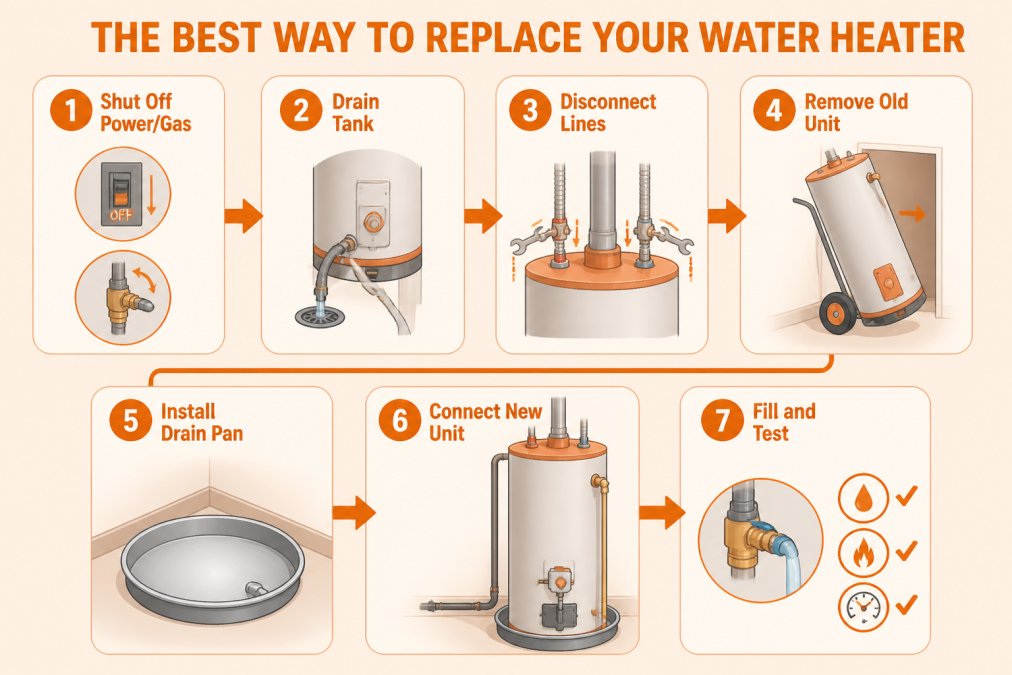
If your unit is past ten years old and showing any of these symptoms, replacement makes financial sense. Repair costs climb steeply on older units, and you're essentially betting against time.
How Long Does It Take to Replace a Water Heater
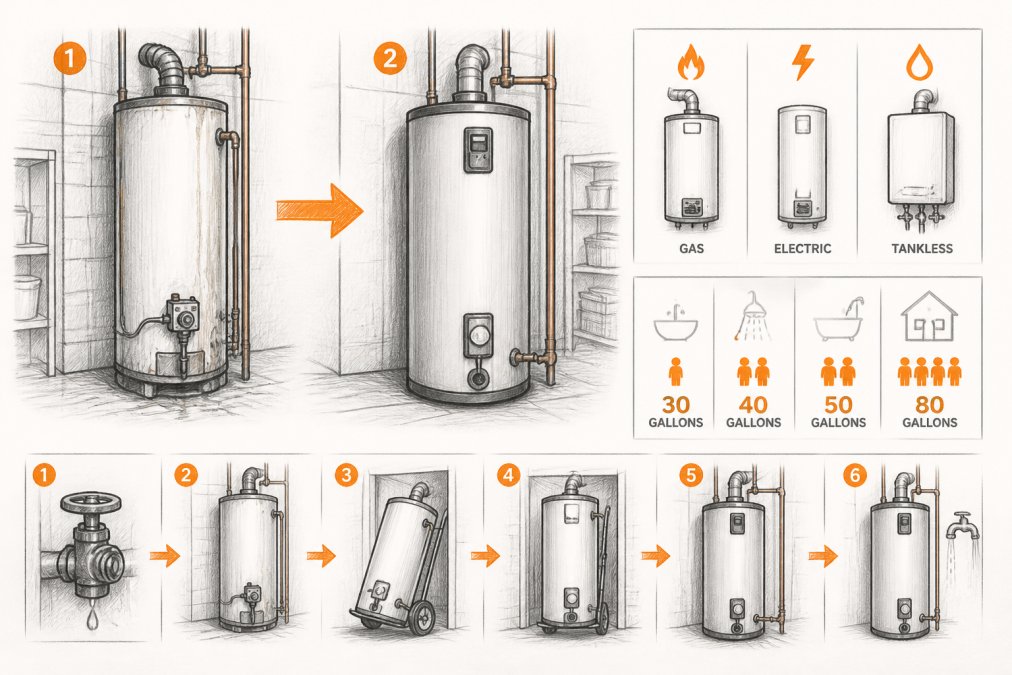
The actual installation typically takes 2-4 hours for a straightforward tank-to-tank replacement (the American Dental Association). A licensed plumber will shut off power and water, drain the old unit, disconnect the supply and drain lines, remove the old tank, install a drain pan, connect the new unit to your water supply and gas or electrical lines, fill the tank, purge air from the lines, and test for leaks.
The total time depends on your setup. If your plumbing is accessible and the installation location is straightforward, you're at the lower end. If the plumber needs to reroute lines, install new venting, or handle unexpected complications like corroded fittings, the job stretches longer.
Most jurisdictions require a permit for water heater replacement, and inspections can add 1-2 days to the overall timeline. A licensed plumber handles permit paperwork, but inspection scheduling is outside their control.
Average Cost of Water Heater Replacement
Replacement cost depends on the type of unit you're installing, your home's existing setup, and local labor rates. Tank water heaters are generally less expensive upfront than tankless or heat pump models. Gas units typically cost less than electric models with the same capacity.
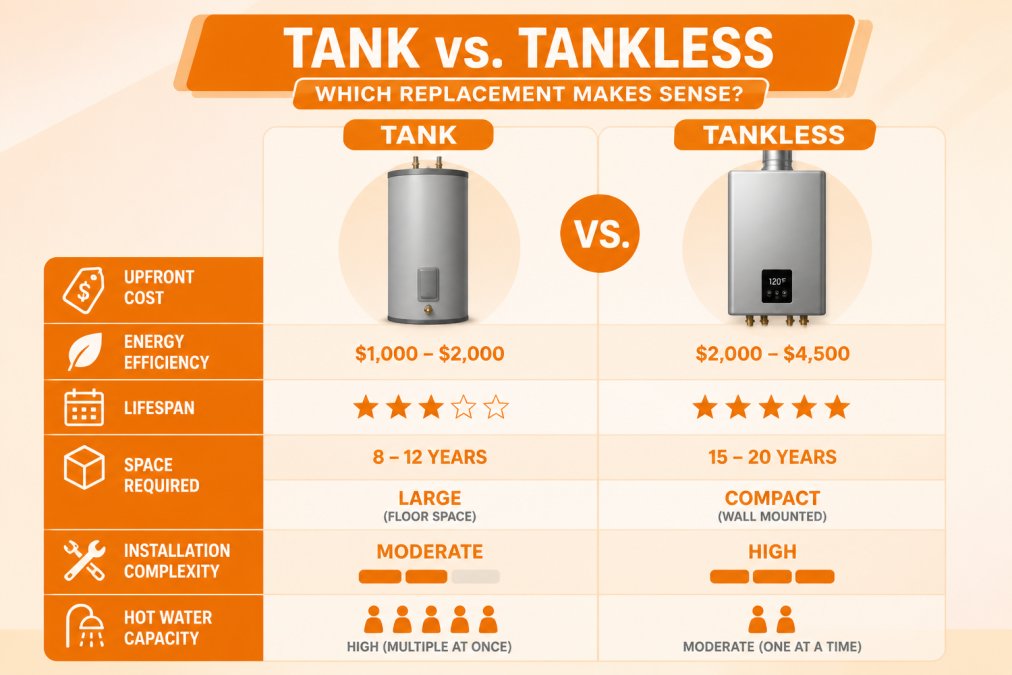
Your existing infrastructure matters. If your home already has the right gas line, electrical circuit, and venting in place, installation is straightforward. If the plumber needs to upgrade your gas line, install a new circuit breaker, or modify venting, labor costs increase.
The best way to understand your actual cost is to get an instant water heater replacement quote from local licensed plumbers. QuickHotWater.com connects you with vetted plumbers in your area who provide competitive bids based on your specific setup. You'll see transparent pricing before any work begins, so you can plan your budget with confidence.
Hiring a Licensed Plumber for Water Heater Replacement
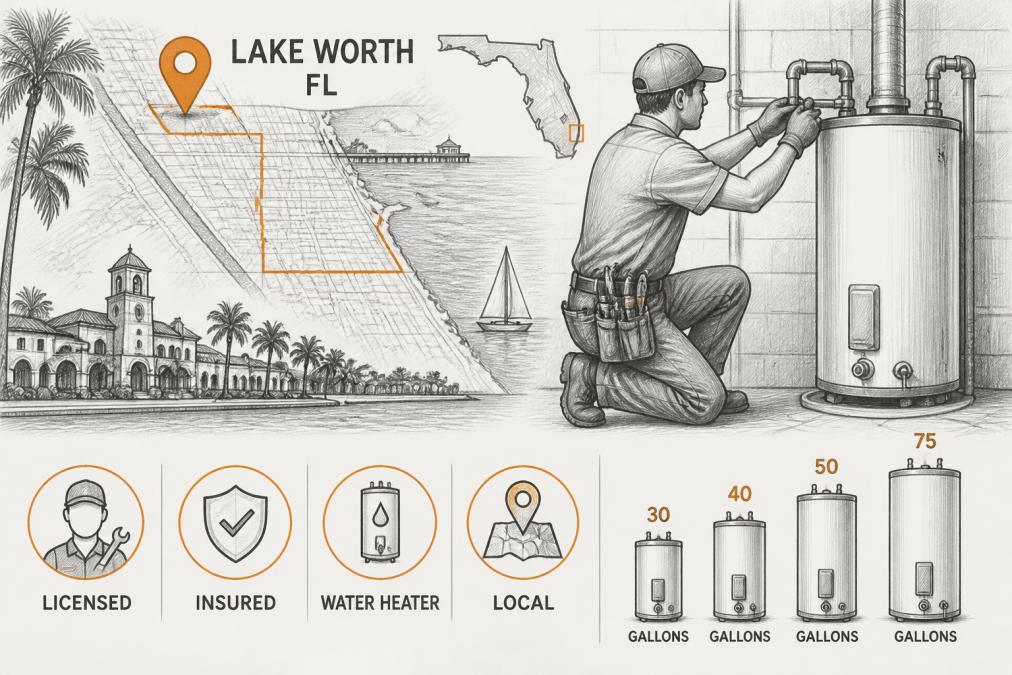
A licensed, insured plumber knows building codes, handles permits correctly, installs the unit safely, and backs their work with a warranty. An unlicensed installer might be cheaper upfront, but you lose all protection if something goes wrong.
Verify licensing and insurance before hiring. Ask for proof of both, it takes thirty seconds and protects you completely. A licensed plumber carries liability insurance that covers water damage, property damage, or injury on your property.
Ask about the plumber's experience with your specific unit type. A plumber experienced with gas tank water heaters might not be the best choice if you're switching to a tankless or electric heat pump model.
Get multiple bids. Different plumbers price jobs differently based on their overhead, experience level, and local market conditions. Competitive bidding ensures you pay a fair price for quality work. QuickHotWater.com makes this simple: submit your details once, and local licensed plumbers bid on your job. You compare their qualifications and pricing, then choose the plumber that fits your needs and budget.
Ask what's included in the estimate. Does it cover the permit? The drain pan installation? Disposal of your old unit? Clarity upfront prevents surprises when the final invoice arrives.
Frequently Asked Questions
Q: What are the most common signs you need to replace a water heater?
A: Age is the biggest indicator. Water heaters typically last 8-12 years; if yours is older, replacement is likely soon. Watch for rust-colored water, unusual noises, leaks around the tank base, or insufficient hot water. Sediment buildup inside the tank reduces efficiency and can cause rumbling sounds. If you notice water pooling under the unit or the pilot light won't stay lit, professional inspection confirms whether repair or replacement is needed.
Q: How long does professional water heater replacement typically take?
A: Most replacements take 1-3 hours for a straightforward like-for-like swap of the same fuel type. A licensed plumber handles disconnecting the old unit, installing the drain pan, connecting water and gas or electrical lines, and filling the new tank. Permit inspections or venting modifications add time. Get an instant estimate to understand timeline expectations for your specific situation.
Q: Should I replace my water heater with a tankless model?
A: Tankless water heaters offer unlimited hot water and higher energy efficiency, making them attractive for long-term savings. However, they cost more upfront and may require gas line or electrical upgrades. If your home has consistent hot water demand and you plan to stay long-term, tankless makes sense. For a straightforward like-for-like replacement using your existing fuel source and infrastructure, a traditional tank heater is simpler and faster to install. A licensed plumber can assess whether your home's setup supports tankless conversion.
Replacing your water heater is one of those home repairs that feels daunting until you understand the actual steps. The process is straightforward when you work with a licensed plumber who knows your local building codes and handles the details. Get an instant estimate from QuickHotWater.com, compare bids from local licensed and insured plumbers, and move forward with confidence. You'll have hot water again without the guesswork or overpaying.
This article was written using GrandRanker