 ultimate-guide
Cost of Professional Water Heater Installation: 2026 Guide
Table of Contents
- What Drives the Cost of Professional Water Heater Installation
- Tank vs Tankless Water Heater Installation Cost Compared
- Hidden Costs of Water Heater Replacement
- Permits and Code Compliance for Water Heaters
- DIY vs Professional Water Heater Installation
- How Long Does It Take to Install a Water Heater
- How to Get a Transparent Water heater Installation Cost Estimate
- Conclusion
Last Updated: August 11, 2026
What Drives the Cost of Professional Water Heater Installation
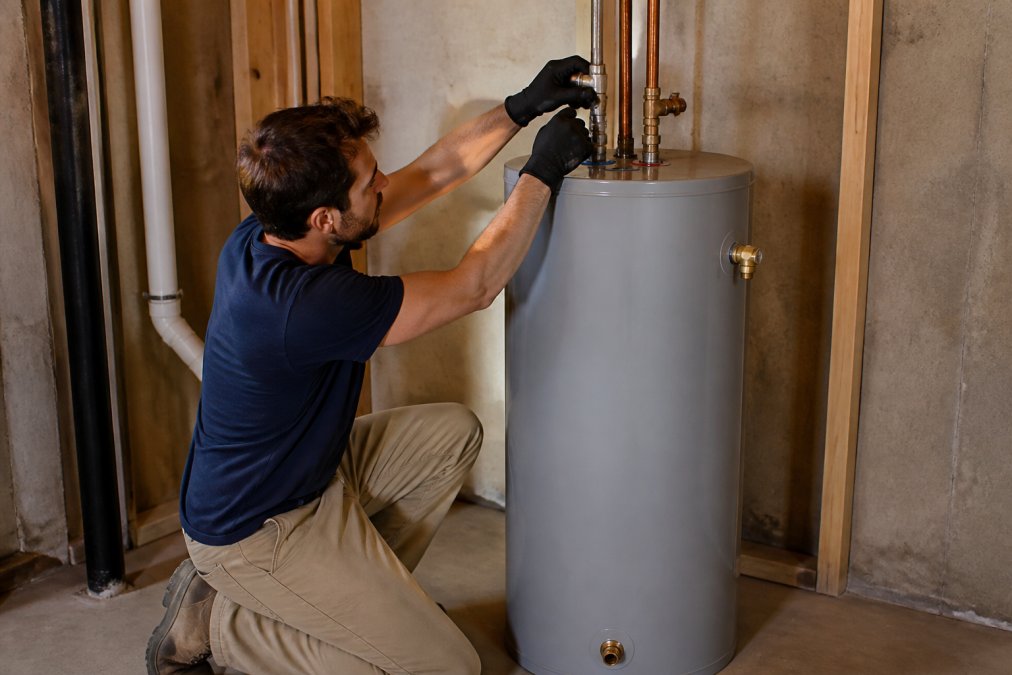
The cost of professional water heater installation varies more than most homeowners expect, and understanding why is the first step to avoiding an unpleasant surprise on your final invoice. At QuickHotWater.com, we've helped homeowners cut through the confusion by providing instant, transparent estimates before anyone sets foot in their home. The total project cost depends on a combination of the unit itself, the labor involved, and what your specific home requires to bring the installation up to current code.
Unit Type, Size, and Fuel Source
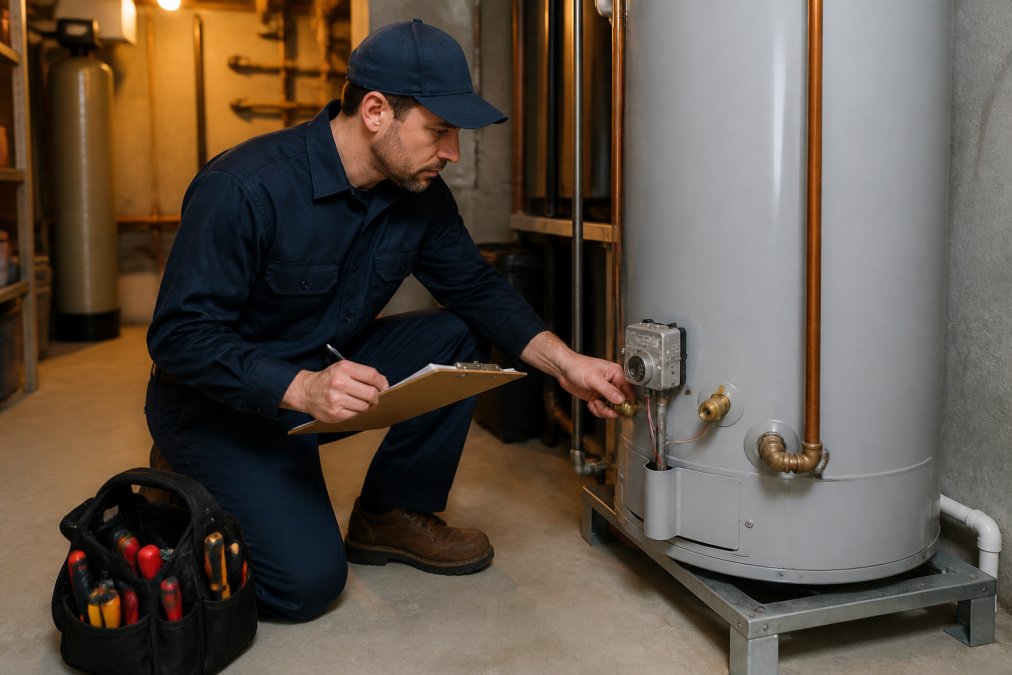
The water heater unit itself is often the single largest line item in your total project cost. A standard 40-gallon tank unit costs significantly less upfront than a tankless model, but the gap narrows when you factor in energy efficiency over time. Gas-powered models and electric models are priced differently at retail, and the fuel source also determines what infrastructure work is needed during installation.
Larger capacity units, such as 50-gallon or 75-gallon tanks, cost more than a 40-gallon capacity model. High-efficiency heat pump water heaters sit in a different pricing tier altogether. The unit type you choose sets the floor for everything else in the estimate.
Labor Rates and Installation Complexity
Labor costs for water heater installation are driven by the hourly rate of a licensed plumber in your area, plus the complexity of the job. A straightforward like-for-like replacement on a tank unit in an accessible utility room is the simplest scenario. Installation complexity rises sharply when the job involves gas line modification, an electrical circuit upgrade, new venting requirements, or retrofitting from one fuel type to another.
Most professional installations for a standard tank replacement take two to four hours of labor. Tankless installations, particularly gas-powered units requiring new venting, can take longer. Every additional hour on the job adds to your total, which is why getting a detailed estimate before work begins matters.
Regional Cost Variance
Regional cost variance is one of the most overlooked factors in water heater installation pricing. Labor markets differ substantially across the country. A licensed plumber's hourly rate in a high cost-of-living metro area can be considerably higher than in a smaller market. Local permit fees, inspection fees, and code requirements also vary by jurisdiction.
According to the U.S. Bureau of Labor Statistics Occupational Employment data, plumber wages vary significantly by state and metropolitan area, which directly feeds into what you'll pay for professional installation. Getting local, market-based bids rather than relying on national averages is the most reliable way to understand what your specific project will cost.
Tank vs Tankless Water Heater Installation Cost Compared
Tank and tankless water heaters differ not just in upfront price but in total installation cost, and the gap between them is wider than most homeowners realize. A tank water heater replacement is typically the more straightforward job. A tankless unit, especially a gas-powered model, often requires new venting, a larger gas line, or a dedicated electrical circuit upgrade, all of which add to the labor and materials bill.
| Feature | Tank Water Heater | Tankless Water Heater |
|---|---|---|
| Unit cost | Lower upfront | Higher upfront |
| Installation complexity | Lower (like-for-like) | Higher (often requires upgrades) |
| Venting requirements | Standard | Often requires new venting |
| Gas line modification | Rarely needed | Commonly needed |
| Electrical circuit upgrade | Rarely needed | Often needed (electric models) |
| Unit lifespan | 8-12 years (typical) | 15-20 years (typical) |
| Energy efficiency | Moderate | Higher |
| Best for | Straightforward replacement | Long-term efficiency goals |
Retrofitting and Infrastructure Upgrades
Retrofitting is where tank vs tankless water heater installation cost diverges most dramatically. Switching from a tank to a tankless unit almost always means upgrading the plumbing infrastructure around it. For gas-powered tankless models, the existing gas line may be undersized to handle the higher BTU demand, requiring a gas line modification. For electric tankless models, a dedicated high-amperage electrical circuit upgrade is typically required.
These infrastructure upgrades are legitimate, necessary costs, not upsells. A licensed plumber or HVAC technician will identify them during assessment. The important thing is knowing they exist before you commit to a tankless unit, so the total project cost doesn't blindside you.
Hidden Costs of Water Heater Replacement
Most people budget for the unit and the labor. The hidden costs of water heater replacement are what stretch budgets and create frustration. Understanding them in advance is straightforward, and none of them should come as a surprise if your contractor is transparent from the start.
Disposal and Recycling Fees
Old water heater disposal is rarely free. Many plumbers charge a separate fee to haul away your old tank, and some municipalities require that old units be recycled through specific channels rather than left at the curb. Disposal and recycling fees vary by location and unit size, but they are a real line item that should appear on any honest estimate. If a quote doesn't mention disposal, ask about it directly before work begins.
Expansion Tanks, Drip Pans, and Code-Required Add-Ons
This is the category most homeowners don't know to ask about until they see the final bill. Many local building codes now require an expansion tank when a water heater is installed in a closed plumbing system. An expansion tank manages pressure fluctuations and protects the plumbing infrastructure from damage. Similarly, a drip pan may be required under units installed in living spaces or above finished areas.
Water pressure regulation upgrades, seismic straps in applicable regions, and updated temperature-pressure relief valve configurations are other code-required add-ons that can appear on an installation invoice. These aren't optional extras; they are code compliance requirements that a licensed plumber is legally obligated to include.
Energy Efficiency Rebates That Reduce Your Total Project Cost
The upfront investment in a high-efficiency water heater can be partially offset by rebates, and this is an angle most installation quotes don't mention. The federal Residential Clean Energy Credit and the Energy Efficient Home Improvement Credit, established under the Inflation Reduction Act, provide tax credits for qualifying heat pump water heaters. As documented in the U.S. Department of Energy's guidance on water heater rebates, eligible homeowners can claim a meaningful credit on their federal tax return for qualifying upgrades.
Many utility companies also offer their own rebates for switching to energy-efficient models. Checking with your local utility before finalizing your unit selection can reduce the effective upfront investment substantially.
Permits and Code Compliance for Water Heaters
Permits and code compliance for water heaters are not optional, and any licensed plumber operating legally will tell you the same. Most jurisdictions in the United States require a permit for water heater replacement, even for a straightforward like-for-like swap. The permit triggers an inspection, which confirms the installation meets current building codes for venting, seismic bracing, gas line connections, and electrical work.
Why permits matter for homeowners: If a water heater is installed without a permit and something goes wrong later, a homeowner's insurance claim can be denied on the grounds that unpermitted work was performed. Selling a home with unpermitted work can also complicate or derail a transaction.
Permit fees vary by municipality and are typically modest relative to the total project cost. Some jurisdictions include the inspection in the permit fee; others charge separately. The key question to ask any contractor: is the permit included in your estimate, or is it billed separately?
QuickHotWater.com includes permit handling in its estimates, so homeowners aren't left managing paperwork or chasing the local building department on their own.
DIY vs Professional Water Heater Installation
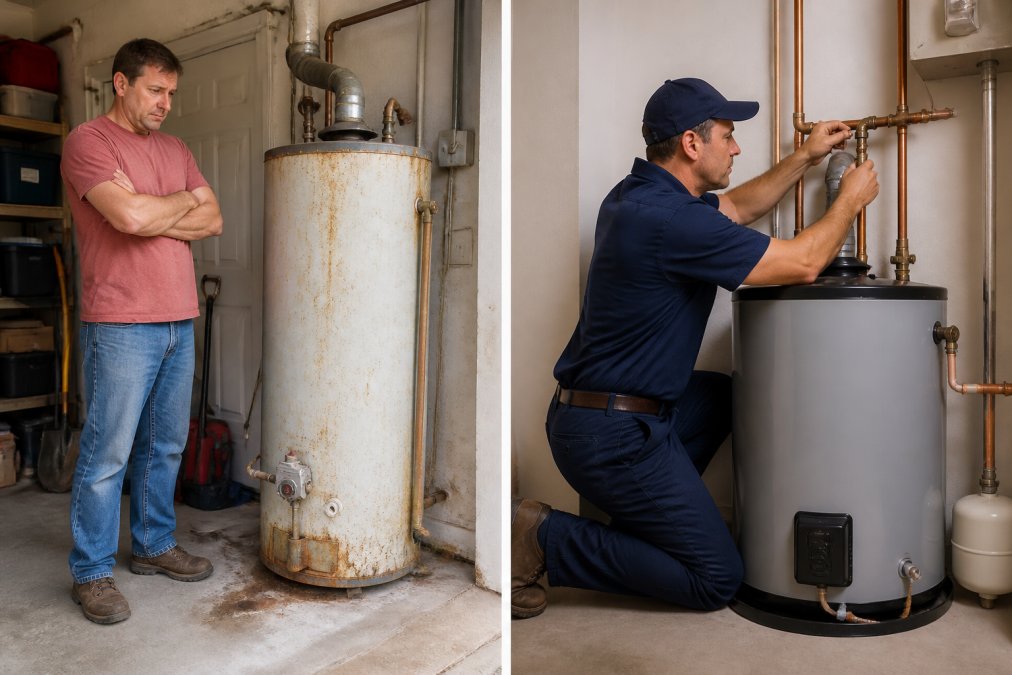
DIY water heater installation is legal in some jurisdictions for homeowners working on their own property, but the risks are substantial enough that most experienced home improvement advisors recommend against it for anything beyond the most basic electric tank swap.
The core problem is not the physical installation itself. It's everything around it. Gas line connections require certification and carry serious safety implications if done incorrectly. Venting requirements for gas-powered models must meet current code. Electrical work for electric models may require a licensed electrician. And in most jurisdictions, even a homeowner-performed installation requires a permit and inspection.
| Factor | DIY Installation | Professional Installation |
|---|---|---|
| Upfront cost | Lower (labor savings) | Higher |
| Permit required | Usually yes | Yes, typically handled by contractor |
| Warranty coverage | May be voided | Preserved |
| Code compliance risk | High | Low (licensed plumber responsible) |
| Gas/electrical safety | Significant risk | Managed by licensed professional |
| Insurance implications | Potential claim denial | Protected |
| Recommended for | Almost never | Always |
According to the International Association of Certified Home Inspectors on water heater safety, improper water heater installation is one of the more common defects found during home inspections, frequently linked to unpermitted or DIY work.
How Long Does It Take to Install a Water Heater
Water heater installation typically takes between two and four hours for a standard tank replacement. The actual time depends on the unit type, the condition of the existing plumbing infrastructure, and whether any code compliance upgrades are required.
A like-for-like tank replacement in an accessible location with no infrastructure issues is the fastest scenario. Tankless unit installation takes longer, particularly when new venting or gas line modification is involved. Expect four to six hours for a complex tankless installation in a location that requires significant retrofitting.
Same-day installation is realistic for most standard replacements when a licensed plumber is available and the unit is in stock. Emergency replacements following a failure can often be completed within 24 hours through a service that maintains access to local plumbers.
How to Get a Transparent Water Heater Installation Cost Estimate
The biggest frustration homeowners report when replacing a water heater isn't the cost itself. It's the process of finding out what it actually costs. Traditional routes involve calling multiple plumbers, scheduling in-home visits, waiting for quotes that may or may not itemize what's included, and fielding follow-up sales calls.
A transparent water heater installation cost estimate should include: the unit cost, labor, permit fees, disposal of the old unit, and any required code compliance add-ons. If an estimate doesn't break these out separately, you're looking at a number that will likely change when the plumber arrives.
What to ask before accepting any estimate:
- Is the permit included, or billed separately?
- Does this price include disposal of the old unit?
- What happens if code compliance upgrades are required?
- Is the plumber licensed and insured in my state?
- Is this a fixed price or an hourly rate?
QuickHotWater.com was built specifically to answer these questions upfront. The platform generates an instant estimate in under 30 seconds, connects homeowners with local licensed and insured plumbers, and includes permit handling in the quoted price. There are no sales visits, no spam calls, and no surprises when the plumber arrives.
For homeowners who want a real number before committing to anything, that kind of transparency is the starting point, not an afterthought.
Professional water heater installation involves more variables than most homeowners anticipate, from regional labor rates to code-required add-ons that never appear in a basic quote. QuickHotWater.com simplifies the entire process by delivering an instant, itemized estimate that includes the unit, labor, permit handling, and disposal, then connecting you with a vetted, licensed, and insured local plumber. Get a Quote today and know exactly what you're paying before anyone shows up at your door.
Frequently Asked Questions
How much does it cost to have a water heater installed?
The total cost of professional water heater installation varies based on unit type, fuel source, local labor rates, and whether code upgrades are required. A standard tank replacement typically costs less than switching to a tankless unit, which often requires gas line modification or an electrical circuit upgrade. The best way to get an accurate figure for your specific setup is to request an instant estimate that accounts for your home's existing plumbing infrastructure.
What factors influence the cost of replacing a water heater?
Several factors affect the final price: the capacity of the unit (a 40-gallon tank costs less to install than a larger model), whether you're switching fuel types, local permit and inspection fees, venting requirements, and any code-required additions like an expansion tank or drip pan. Regional labor rates also play a significant role, hourly rates for a licensed plumber vary considerably depending on your location.
Does the cost of installation include removing the old unit?
Not always. Some installers include old unit removal and disposal in their quoted price, while others charge a separate disposal or recycling fee. Before agreeing to any quote, confirm whether hauling away the old water heater is included. Disposal fees can add to your total project cost, particularly for older units that require special handling. Always ask for a fully itemized estimate before work begins.
Is it worth paying for professional water heater installation?
For most homeowners, professional installation is the right call. A licensed plumber ensures the unit meets building codes, pulls the required plumbing permit, and handles venting requirements correctly. Improper DIY installation can void the manufacturer's warranty, create safety hazards with gas-powered units, and result in failed inspections. The upfront investment in professional installation protects both your home and your warranty coverage long-term.
How long does professional water heater installation take?
A straightforward like-for-like tank replacement typically takes two to three hours. Switching from a tank to a tankless unit, or making gas line modifications and electrical circuit upgrades, can extend the job to four to six hours or more. Installation complexity, access to the existing plumbing infrastructure, and whether permit inspections are same-day all affect the total time from start to finish.
Are there hidden fees when hiring a plumber for water heater replacement?
Yes, and they catch many homeowners off guard. Common hidden costs include permit and inspection fees, disposal charges for the old unit, an expansion tank if water pressure regulation requires one, a drip pan for indoor installations, and any code compliance upgrades triggered by local building codes. Getting a fully itemized quote before work starts, one that explicitly lists permit handling, is the clearest way to avoid billing surprises.
This article was written using GrandRanker